
Definition of maintenance: What is it?
Comprehensive maintenance is necessary for the smooth operation of machines and systems. Read about how this is defined at the Menger Group.
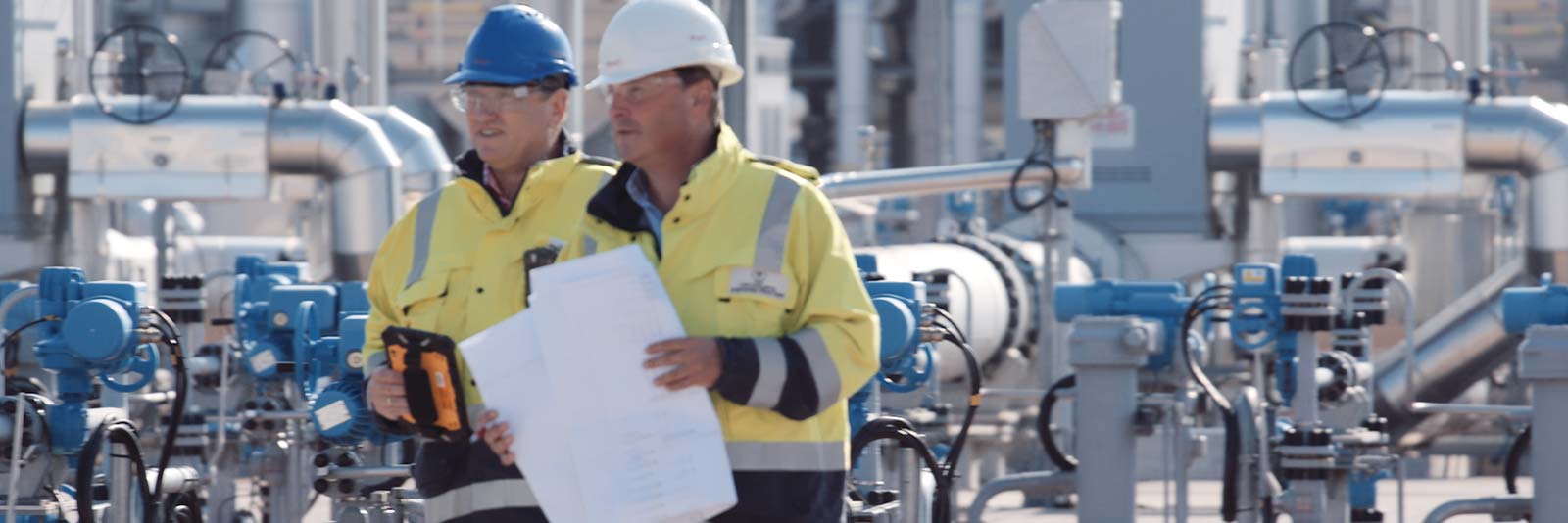
Ensuring that machines and systems run reliably – maintenance guarantees functionality
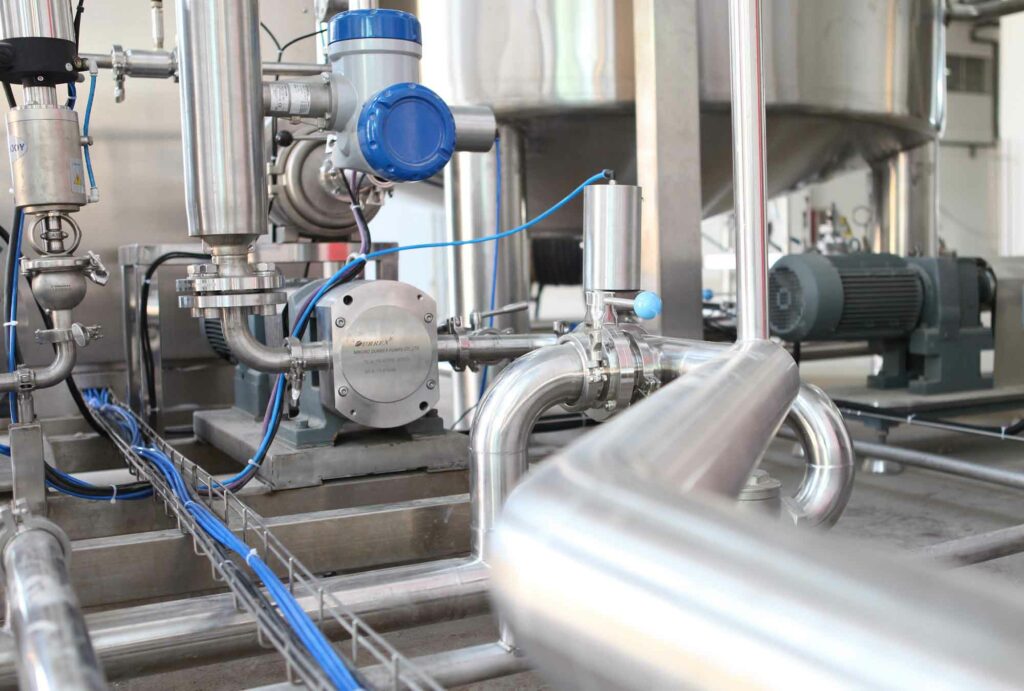
Throughout the life cycle of machines and production facilities, maintenance measures are necessary on a regular basis to prevent damage and malfunctions. Constant competitive pressure, high quality assurance requirements, and the need to ensure production processes run as smoothly as possible have led many companies to introduce their own maintenance and repair systems in order to minimize the risk of equipment failure. Professional maintenance involves a combination of administrative and technical measures that ensure the target condition of a machine or system or restore it in the event of a malfunction. In industry, three main maintenance strategies are commonly defined: corrective, preventive, and predictive maintenance. The Menger Group explains what each of these involves in detail.
Definition: What is maintenance?
According to standards DIN 31051 and DIN EN 13306, maintenance comprises a series of technical and administrative measures as well as management measures designed to ensure the preservation of technical objects or restore their functionality. According to the definition in DIN 31051, maintenance includes four basic measures: inspection, servicing, repair, and improvement.
- An inspection is defined as a measure to determine the actual condition of a machine or system. This is carried out as part of a functional check, which compares the measured values with the specified target values.
- By definition, maintenance serves to maintain the target condition. It includes cleaning work, checking settings, and ensuring that components are in good working order. (The occasional use of the term “maintenance” as a synonym for ‘servicing’ is incorrect; it is probably based on an incorrect translation of the English word “maintenance,” which encompasses both meanings.)
- Repairs serve to eliminate damage or signs of wear that could result in a hazard or imminent functional failure of the system.
- Finally, an improvement measure is a measure to increase functional reliability without changing the function of the object.
The types of maintenance: an explanation
Comprehensive, standards-compliant maintenance is one of the basic requirements for ensuring reliable productivity in a company. There are three main types of maintenance: corrective maintenance, preventive maintenance, and predictive maintenance.
- Corrective maintenance is performed when damage has occurred. This can be done either immediately or postponed, e.g., until the next scheduled maintenance.
- Preventive maintenance is performed before machine or system failures occur. The aim is to minimize the probability of failure. When preventive maintenance is scheduled, the history of the object must be taken into account, as it contains important information about required spare parts, necessary approvals, and recent changes. This is why digital document management is becoming increasingly important in maintenance.
- In preventive maintenance, a further distinction is made between predefined and condition-based measures. Predefined maintenance measures include contractually agreed maintenance at fixed dates. Condition-based maintenance measures, on the other hand, require regular checks of the actual condition, efficiency, and other indicators. This involves reading meters, checking measured values, checking the wear and tear of components, etc. This reduces maintenance costs because only tasks that are actually necessary are carried out.
- Predictive maintenance is a relatively new field. It is based on large amounts of collected, stored, and analyzed electronic data. Programs calculate the expected wear and tear and the associated maintenance requirements of components, machines, and systems based on specific failure mechanisms and mean time to failure (MTTF) statistics. Predictive maintenance is an important component of Industry 4.0 and will continue to gain in importance in the future.
If you need professional support with maintenance, you will find a reliable and competent partner in the Menger Group. We offer you well-designed services and software solutions for electronic plant documentation and document management. Contact us!