
The 17th BImSchV (Ordinance to the Federal Immission Control Act) – explained quickly and simply.
The 17th Ordinance to the Federal Immission Control Act (BImSchV), which came into force on February 16, 2024, brings several important changes and challenges for operators of facilities, especially thermal waste treatment plants.
The new regulations aim to further align environmental standards with European directives in order to ensure better environmental and health protection.
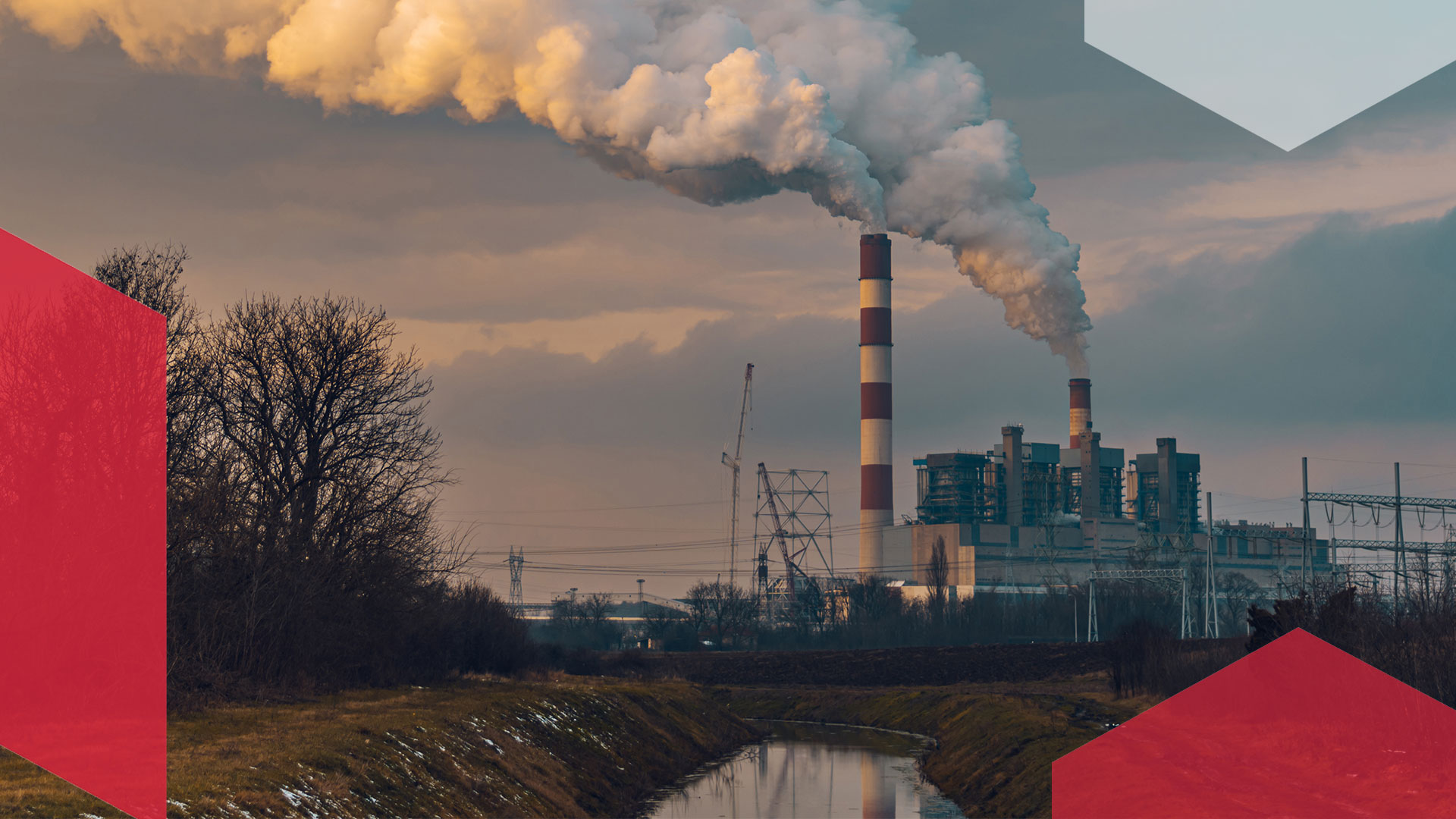
These are the key points of the 17th Federal Immission Control Ordinance (BImSchV):
- Tighter emission limits: The new regulations include stricter limits for pollutant emissions, including nitrogen oxides (NOx) and other pollutants. The aim is to improve air quality and preserve our planet for future generations.
- Need for technical retrofits:
Due to the new emission limits, it is likely that many of you will need to retrofit your plants. Investments in modern filter technologies or improved emission control systems may be necessary. - Extended deadlines for implementation:
Smaller plants with a thermal input of less than 50 MW in particular will be given longer deadlines to meet the requirements in order to plan and implement the necessary adjustments and investments. - Outlook for future developments:
The regulation paves the way for the integration of CO2 capture technologies and encourages you to consider the possibility of such retrofits when planning new plants or major conversions. - Adjustments to European standards:
Another important aspect is the harmonization of German regulations with European requirements, which not only serves to protect the environment but can also secure competitive advantages for you.
Who is affected and what needs to be done?
Operators of plants that do not comply with the new limits are faced with the task of retrofitting their plants accordingly. This primarily affects:
- Thermal waste treatment plants:
These include waste incineration plants and plants for the thermal treatment of industrial waste. Due to the stricter limits for pollutant emissions, these plants often need to be retrofitted with more advanced filter technologies or other emission control systems. - Smaller plants with a thermal input of less than 50 MW:
Smaller plants that were previously subject to less stringent regulations may now also be affected by the stricter requirements and need to be retrofitted. However, the regulation grants these plants longer deadlines for implementing the requirements. - Plants with specific emission profiles:
Plants that emit particularly high levels of certain pollutants may need to carry out special retrofitting measures in order to comply with the new limit values.
The emission limit values specified in the 17th BImSchV serve to limit the release of pollutants into the atmosphere. These limits refer to the maximum permissible amount of pollutants that a plant may emit per unit of time. Typical regulated pollutants include nitrogen oxides (NOx), sulfur dioxide (SO2), particulate matter (PM), and various organic compounds. The exact limits vary depending on the type of plant and the materials processed.
Retrofitting measures may include:
- Installation of flue gas cleaning systems:
For example, SCR (selective catalytic reduction) systems for reducing nitrogen oxides or filters for reducing particulate matter could be installed. - Optimization of combustion processes:
Optimizing combustion technology can reduce pollutant emissions at the source. - Introduction or improvement of environmental management systems:
This can help to optimize operations and ensure compliance with environmental regulations.
The new regulations also entail a significant update of technical documentation. As a plant operator, it is crucial that you document the changes and retrofits in detail. This documentation not only serves as proof of compliance with new standards to the regulatory authorities, but also as an important source of information for maintenance, servicing, and future audits.
Be prepared for regulatory authorities to increase their monitoring of compliance with the new regulations. Accurate and comprehensive technical documentation is your best ally in this regard. Take advantage of this opportunity to optimize your documentation and achieve efficiency gains and improvements in your operations.
Before converting or modernizing your systems, up-to-date documentation of the current status will help you significantly reduce planning and implementation times, save costs, and ensure transparency and safety for all stakeholders.
We support you!
If you need assistance updating your technical documentation, please do not hesitate to contact us. We offer resources and advice to make this transition as smooth as possible.